
What governance professionals are talking about right now
When we planned Gather Round 2026, we wanted to create a space for governance professionals to learn from one another, challenge thinking and reconnect with a profession that often flies under the radar.
What emerged throughout the day wasn't a single theme or headline. It was a collection of conversations that all pointed in the same direction. We may as well have hung a large, flashing neon arrow pointing to a sign that reads ‘Governance is changing.’
And this change isn’t just because the fundamentals are changing. It’s because the environment around us is becoming more complex and connected than ever before.
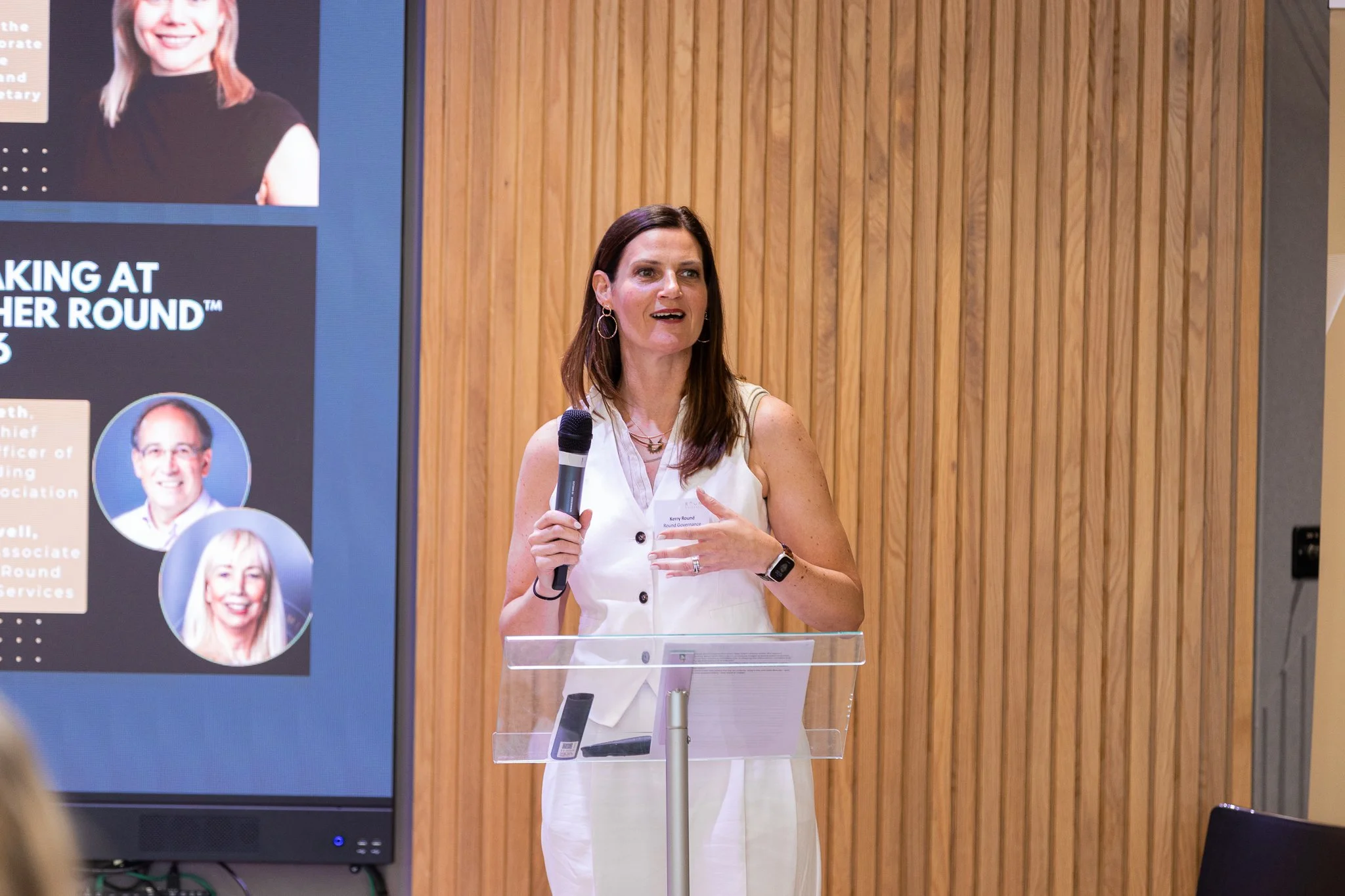
As Kerry Round said in her opening remarks,
"Governance is the framework within which strategy becomes reality."
Throughout the day, three topics surfaced repeatedly.
Governance is strategically vital
One of the clearest messages from the event was that governance professionals are increasingly being recognised for the judgement they bring rather than the processes they manage. We think we can speak on behalf of all Co Secs when we say we’ve always known our role is more strategic partner as opposed to administrator, but the difference now is, leaders are recognising this too.
In her session on the co sec landscape in 2026, Emma Brown explored exactly this point.
Boards are looking for more than technical knowledge. They want governance professionals who can provide challenge and insight. People who can help navigate complexity, not simply document it.
Cynthia Mora-Spencer from CGIUKI echoed this theme in her strategic impact of governance roles in 2026 session. Governance, she argued, is moving beyond compliance and administration towards a strategic discipline centred on judgement and decision-making whilst helping organisations navigate increasingly complex environments.
This shift was also evident in the conversations around culture.
The 2024 UK Corporate Governance Code places greater emphasis on Board responsibility for culture, requiring Boards not only to define values but also to understand whether those values are being lived across the organisation.
Culture is no longer something that sits alongside governance. It has become ingrained in governance.
Culture has moved from the sidelines to the Board agenda
The Board and Culture panel generated some of the most interesting discussions of the day.
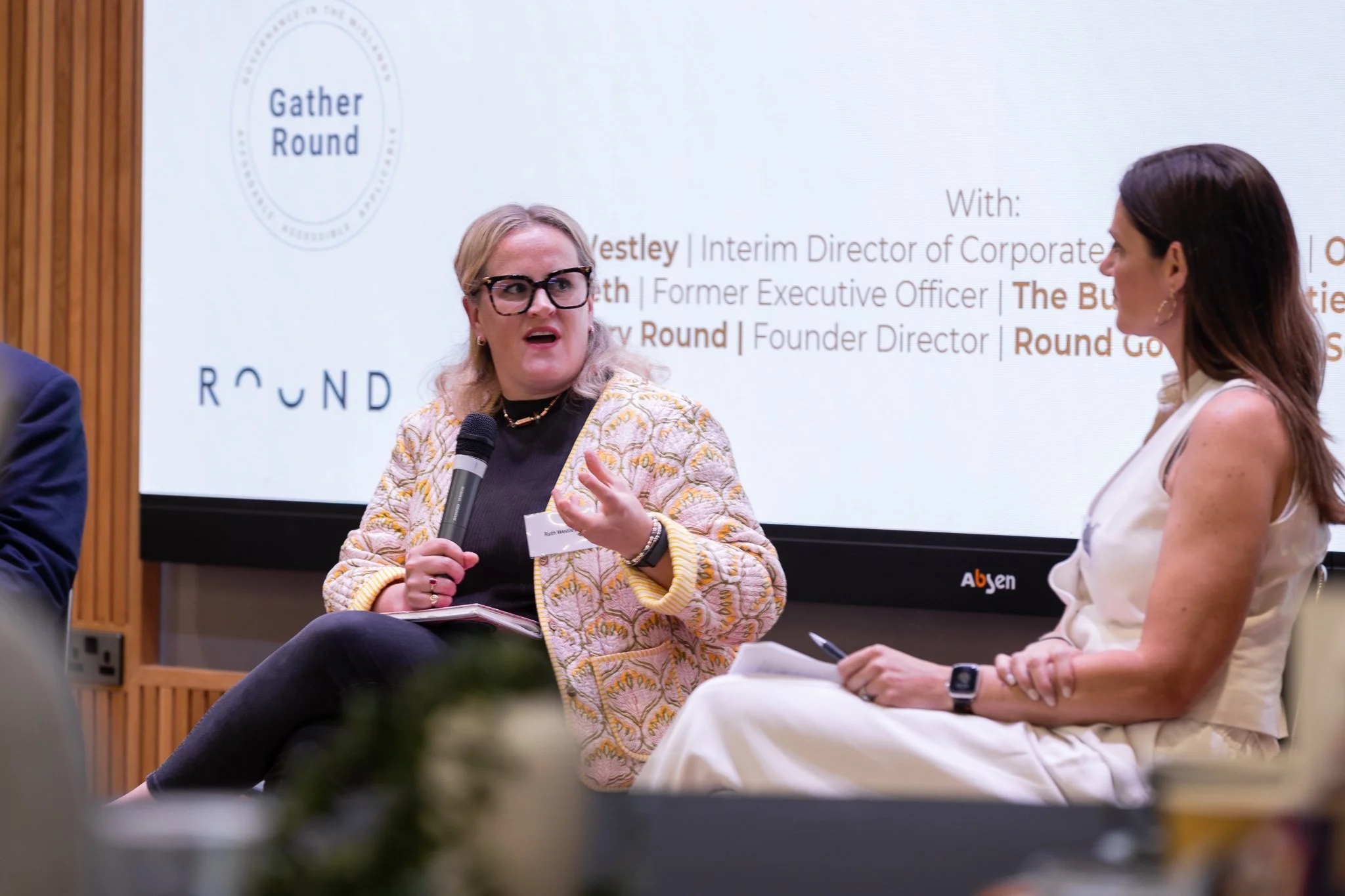
When asked how governance professionals can influence culture, Ruth Westley, Interim Director of Corporate Governance at Ocado Group, answered, "Connect it to strategy. The Board must understand that to get from A to B, this type of culture will get us there."
Rather than treating culture as a standalone initiative, culture becomes a strategic enabler. The question is no longer whether culture matters. It’s whether the organisation's culture is helping it achieve what it set out to do.
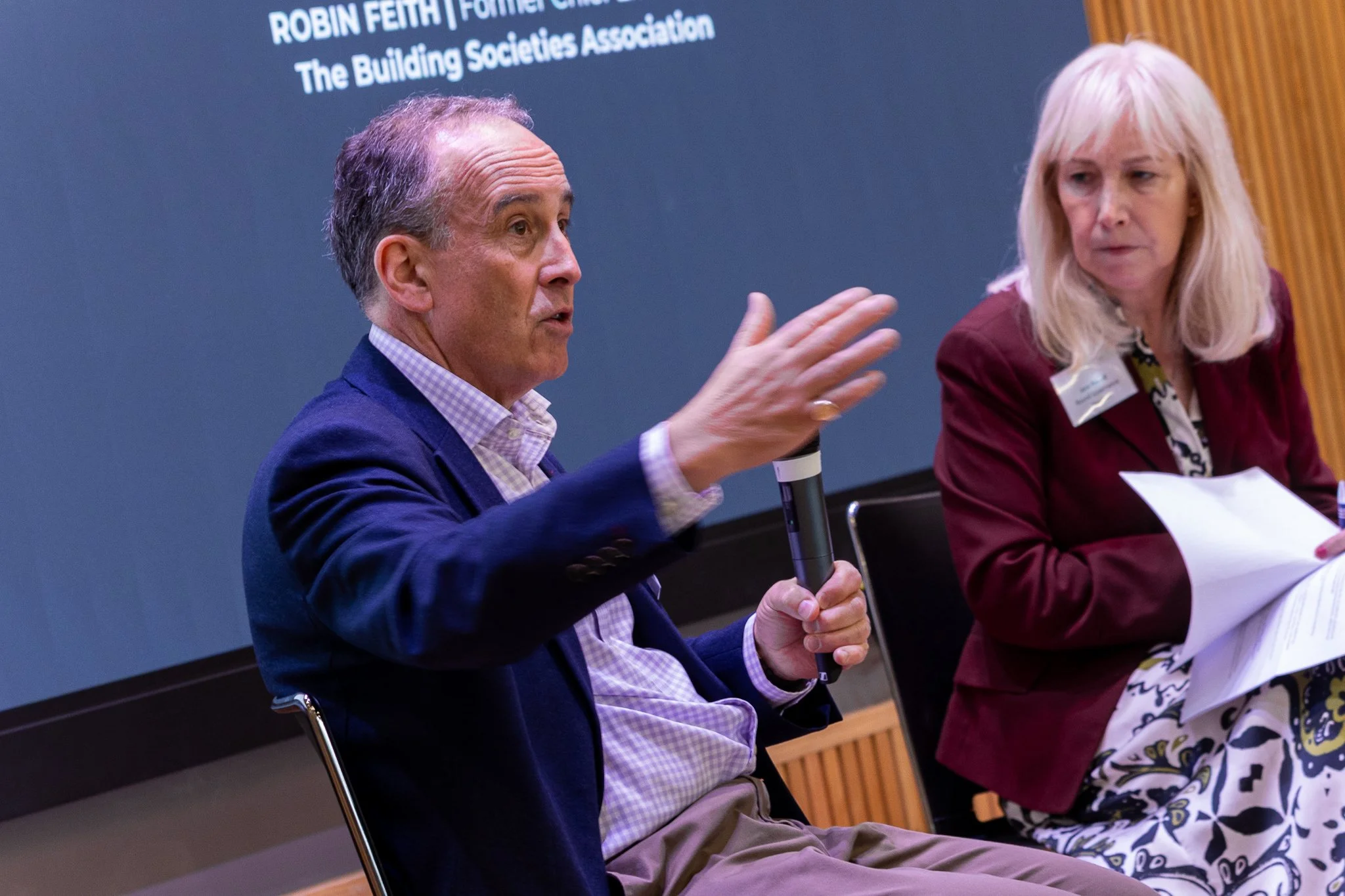
Robin Fieth offered another perspective when discussing what culture might look like if the Corporate Governance Code didn't connect Boards with culture.
His view was that culture would likely become shaped by individual values and personal legacies. Board members would make decisions based on what they wanted to be remembered for and the impact they wanted to leave behind.
The Code provides consistency and accountability. Without it, culture risks becoming dependent on individual interpretation.
The discussion also explored Board diversity and its relationship with culture.
Ruth highlighted that diversity improves challenge and conversation around the Board table.
Culture is difficult precisely because there’s no universal definition of what "good" looks like. The more perspectives represented around the table, the more robust those conversations become.
As Ruth put it, good culture won't look the same for everyone, which is exactly why diversity matters.
Another important insight came from Robin's advice to governance professionals seeking influence. His recommendation was not to begin with culture. Instead, focus on building trust. Master the relationship with the Chair and CEO. Ensure Board meetings are effective. Deliver consistently. When governance professionals earn credibility, people listen to them on every topic, including culture.
The power of community
One theme that perhaps surprised people was the number of conversations about isolation and loneliness.
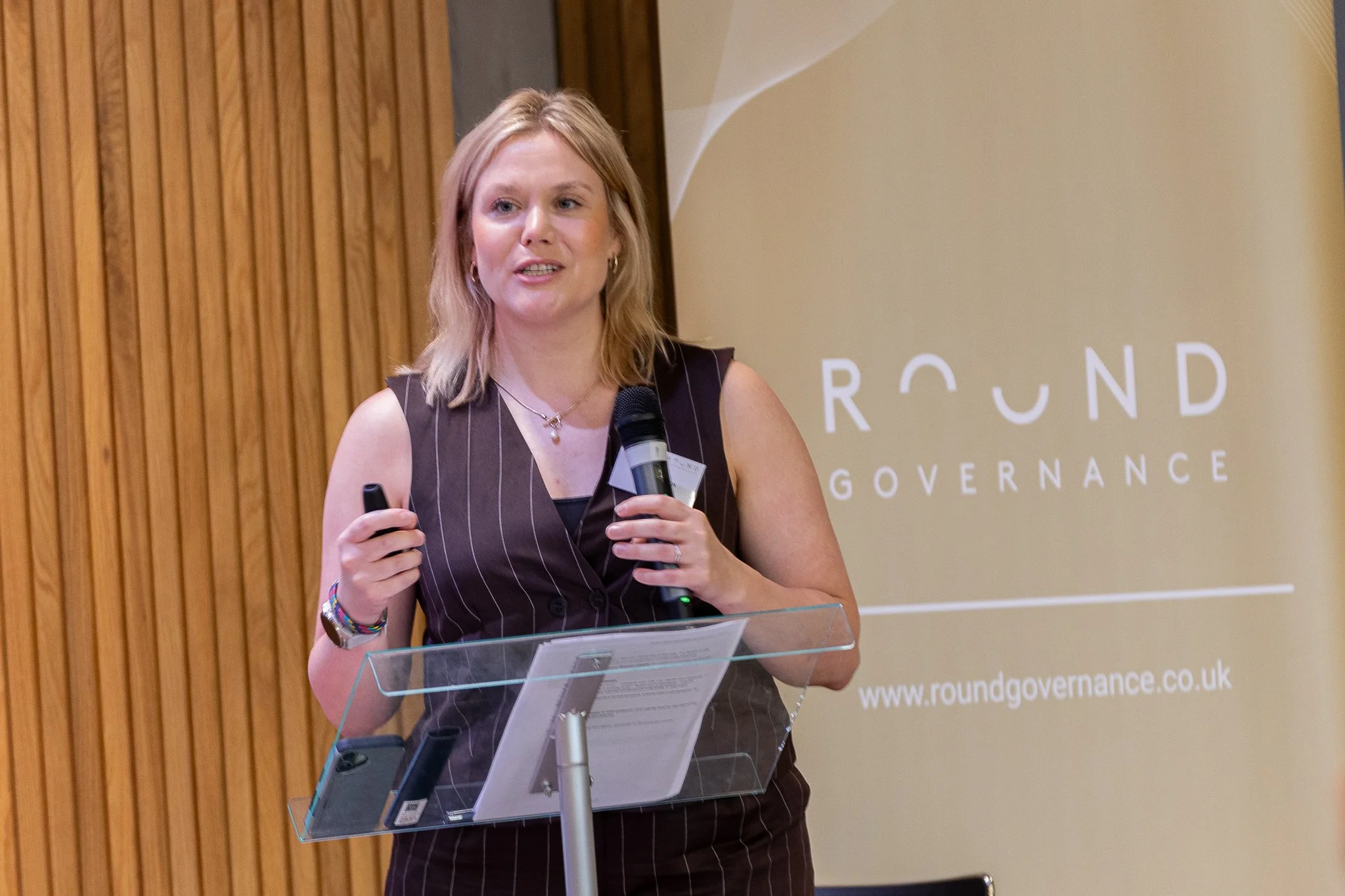
Emma Brown, President of the Women's Corporate Governance Association, spoke openly about the realities of governance roles.
Many Company Secretaries are, in effect, departments of one. They sit at the top of their function without peers inside the organisation who truly understand the challenges they face.
That is why professional communities matter. Not just for networking or career progression, but because governance increasingly relies on shared experience from others who have faced similar situations.
As governance becomes more strategic and complex, the value of community grows alongside it.
AI is forcing governance to ask new questions
Artificial intelligence was impossible to ignore throughout the day.
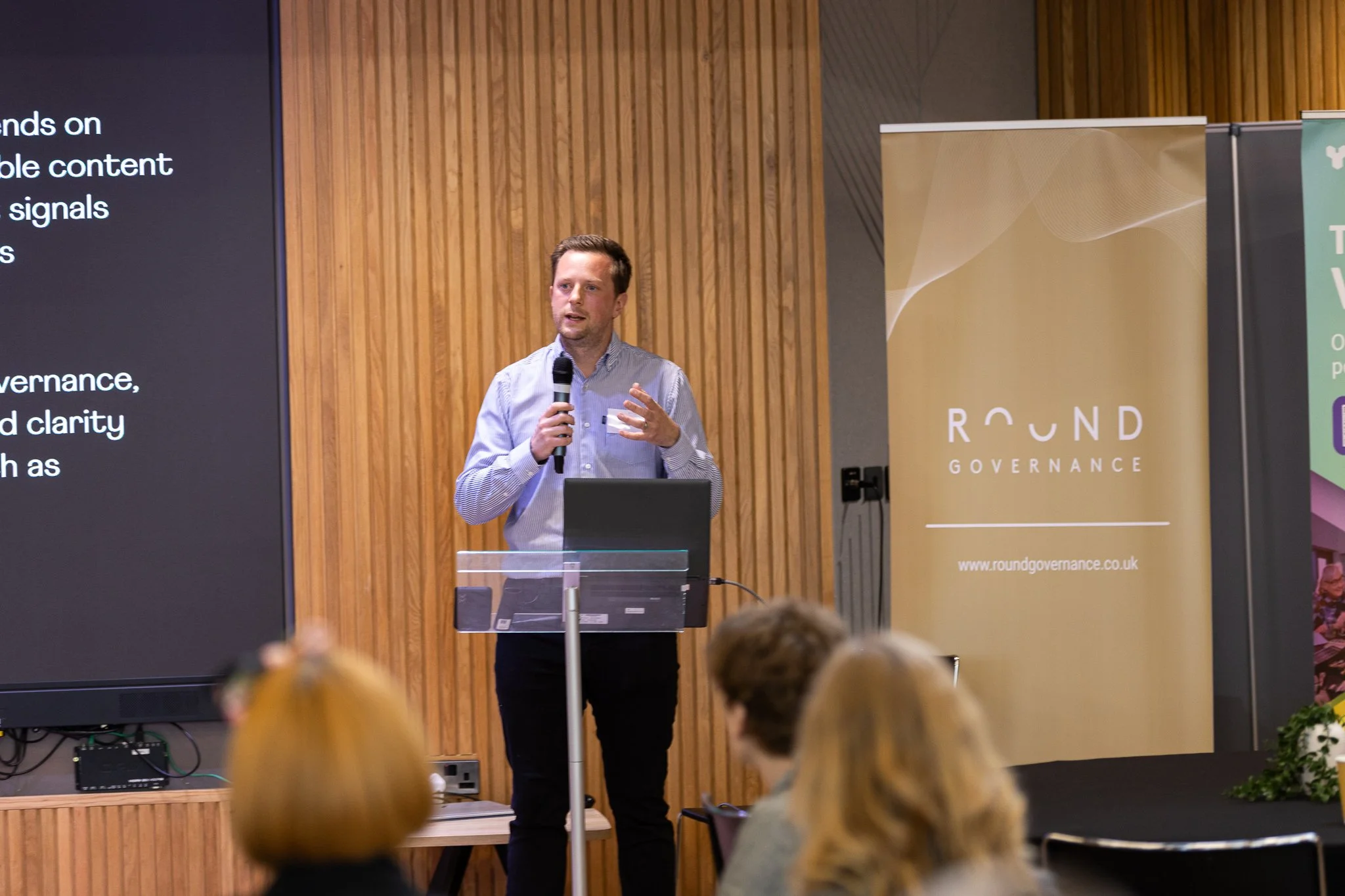
Tom Roger’s (Head of AI and Market Engagement at Design Portfolio) AI as an emerging stakeholder session challenged the audience to think about AI not as a technology issue but as a governance issue.
One observation particularly resonated: AI is increasingly becoming the first reader of corporate disclosures.
Before an investor or stakeholder accesses information directly, AI tools may have already interpreted and reshaped it. This changes the governance challenge.
Questions around disclosure, consistency, oversight and accountability suddenly become much broader than annual reports or corporate websites.
Tom's message was clear - organisations need governance frameworks around AI before they need AI strategies. The discussion wasn't centred on replacing people. In fact, the opposite was true.
Across multiple sessions, speakers highlighted that while technology may automate tasks, it cannot automate judgement.
Professional scepticism, independence, context, influence and ethical decision-making remain uniquely human skills.
The future governance professional isn’t the person who has the most technical knowledge. It’s the person who can apply judgement and real-world thinking when the answer is unclear.
A profession at an inflexion point
If there was one takeaway from Gather Round 2026, it’s that governance is becoming more relevant, not less.
Boards are facing greater scrutiny. Stakeholder expectations continue to rise. Technology is reshaping how organisations operate. Culture is now firmly on the Board agenda. And governance professionals are increasingly being asked to bring judgement, challenge and strategic insight to those conversations.
The profession is moving closer to the centre of organisational life. Not because, as governance professionals, we’re demanding it, but because organisations need it.
Gather Round 2026 highlighted just how much is being asked of governance professionals today. The challenge for organisations is ensuring their governance keeps pace.
Whether that's reviewing Board effectiveness, strengthening governance frameworks, supporting major organisational change or helping Boards navigate new challenges around culture and technology, the RGS role is to help organisations restore clarity and alignment. Because when governance works well, organisations spend less time dealing with uncertainty and more time moving forward.
Find out more about what we do.